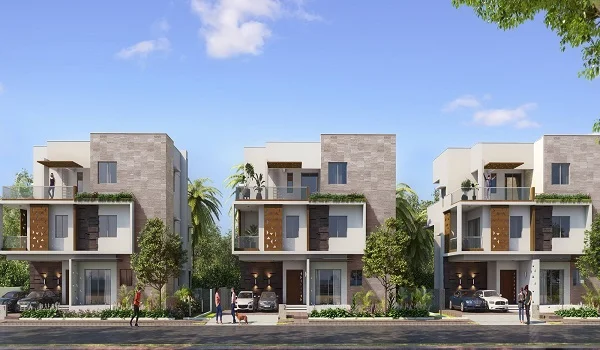
Is it safe to buy a B-Khata plot in 2026?
Yes, buying a B-Khata plot in 2026 can be safe if buyers check a few important details. The Karnataka government has introduced new rules to make property records clearer. Buyers should confirm that the plot can be converted to an A-Khata in the future. It is also important to check that the property has a digital e-Khata record. If the project has approvals like RERA registration, it shows that the project follows government rules.
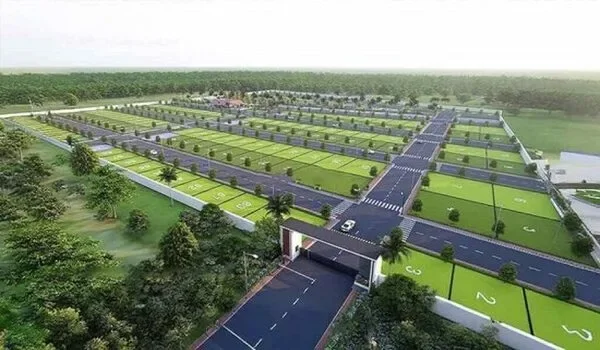
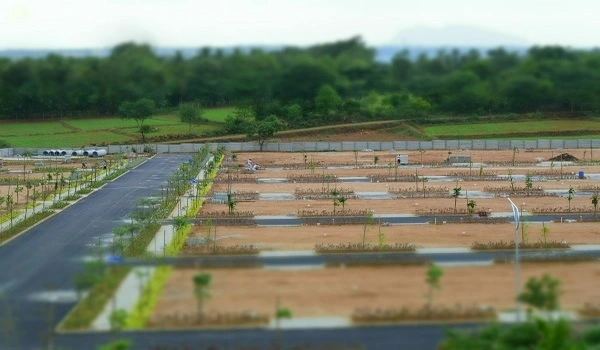
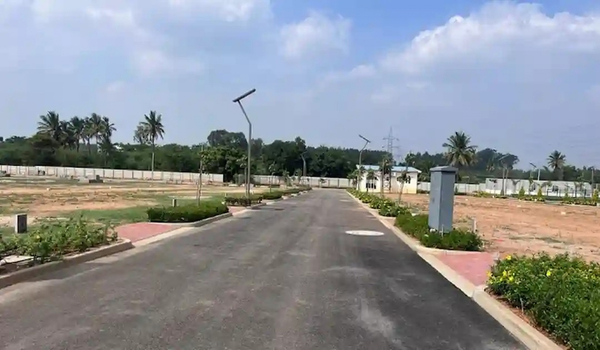
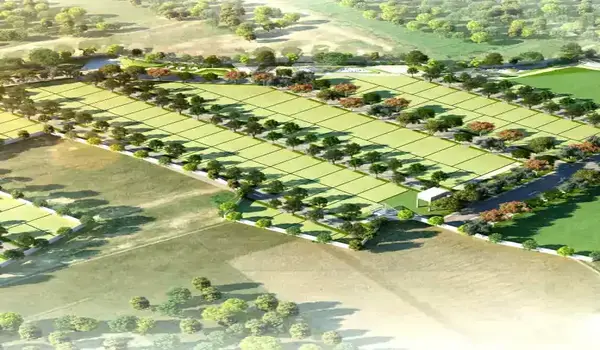
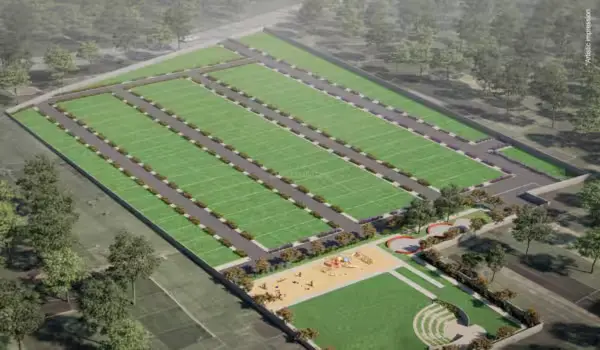
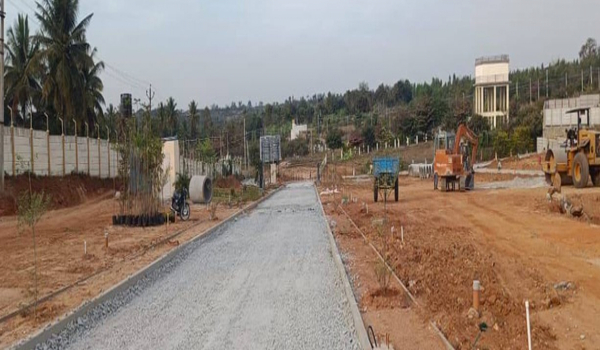
New planned layouts are often safer than many old B-Khata layouts. For example, projects like KNS Samooha in Nelamangala are developed as planned townships by known builders. Buyers should also confirm that the land is legally converted for residential use and that all documents are clear. When these checks are done carefully, buying a B-Khata plot in 2026 can be a safer property decision.
B-Khata Conversion Opportunity in 2026
In early 2026, the Karnataka government started a 100-day drive to help property owners convert B-Khata to A-Khata. This drive allows many owners to make their property records proper and legal. Properties that were registered before September 30, 2024, can apply for this conversion.
To get A-Khata, the owner must pay a 5% betterment fee based on the government guidance value of the land. But buying a new B-Khata layout made after the 2024 cut-off date can be risky. These plots are not part of the current scheme. Because of this, getting building approval may be difficult, and authorities may refuse building permission.
Why the Safety Profile is Different for KNS Samooha
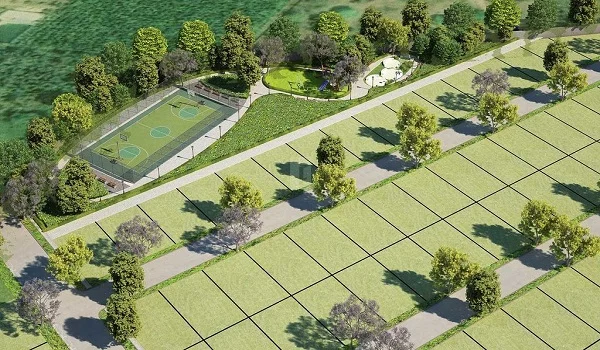
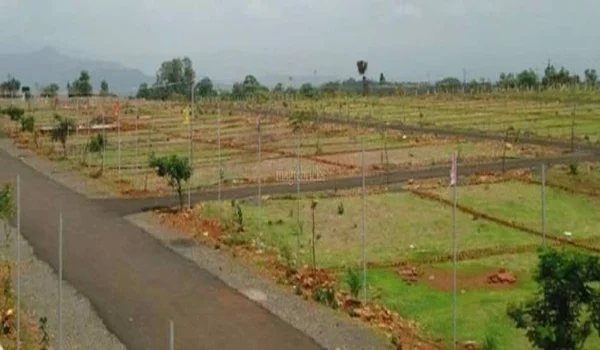
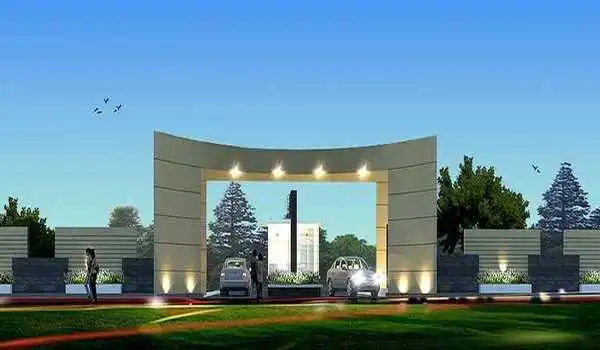
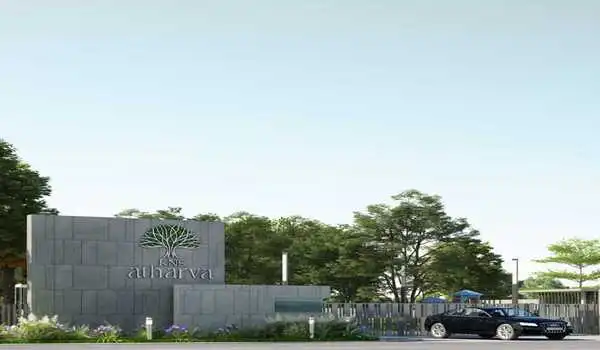
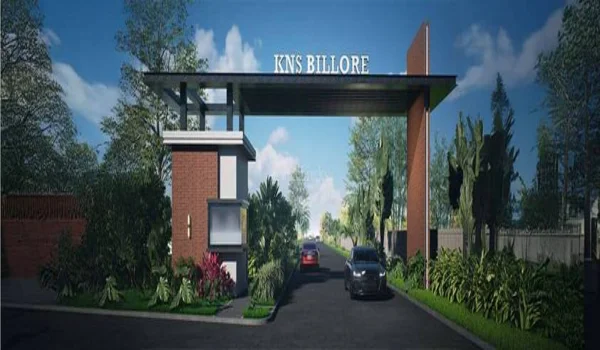
KNS Samooha in Nelamangala is not an unplanned revenue layout. It is a large planned township built by a known developer. Because of this, the project has better planning and clearer property records.
KNS Samooha is also a RERA-registered project (for example: Phase I – PRM/KA/rera-approval/1250/307/PR/060325/007551). RERA registration helps protect buyers. It shows that the land is DC converted and the property titles are clear. Many banks, such as SBI, HDFC, and ICICI, have also approved projects by KNS. Bank approval means the bank has checked the land documents.
Key Regulatory Changes in 2026
In 2026, the government made e-Khata mandatory. Old paper B-Register records are no longer used. Every property must have a digital e-Khata with a unique EP ID. The property must also appear in the e-Aasthi portal. If a property does not have this digital record, the Greater Bengaluru Authority (GBA) may not recognise it.
The government also made B-Khata conversion easier. If the land is DC converted, the owner can apply for A-Khata. To complete the conversion, the owner must pay about 5% of the land's guidance value as a regularisation fee. At the same time, building rules have become stricter. If a B-Khata plot has not started the conversion process, authorities may stop power and water connections from BESCOM and BWSSB for new buildings.
FAQs
- Can I sell my B-Khata plot without an e-Khata in 2026?
No. Since October 2024, the Karnataka government has made e-Khata mandatory for all property registrations. If your plot is still in the paper B-Register, the Sub-Registrar's office will not allow you to register a Sale Deed. You must first move your property record to the digital e-Aasthi portal.
- Are planned, plotted projects safer than old B-Khata layouts?
Yes, many planned township projects are safer because they follow proper layout planning and legal procedures. Buyers should still verify all documents before purchasing.